Eco-friendly kitchens: how to reduce waste and boost sustainability
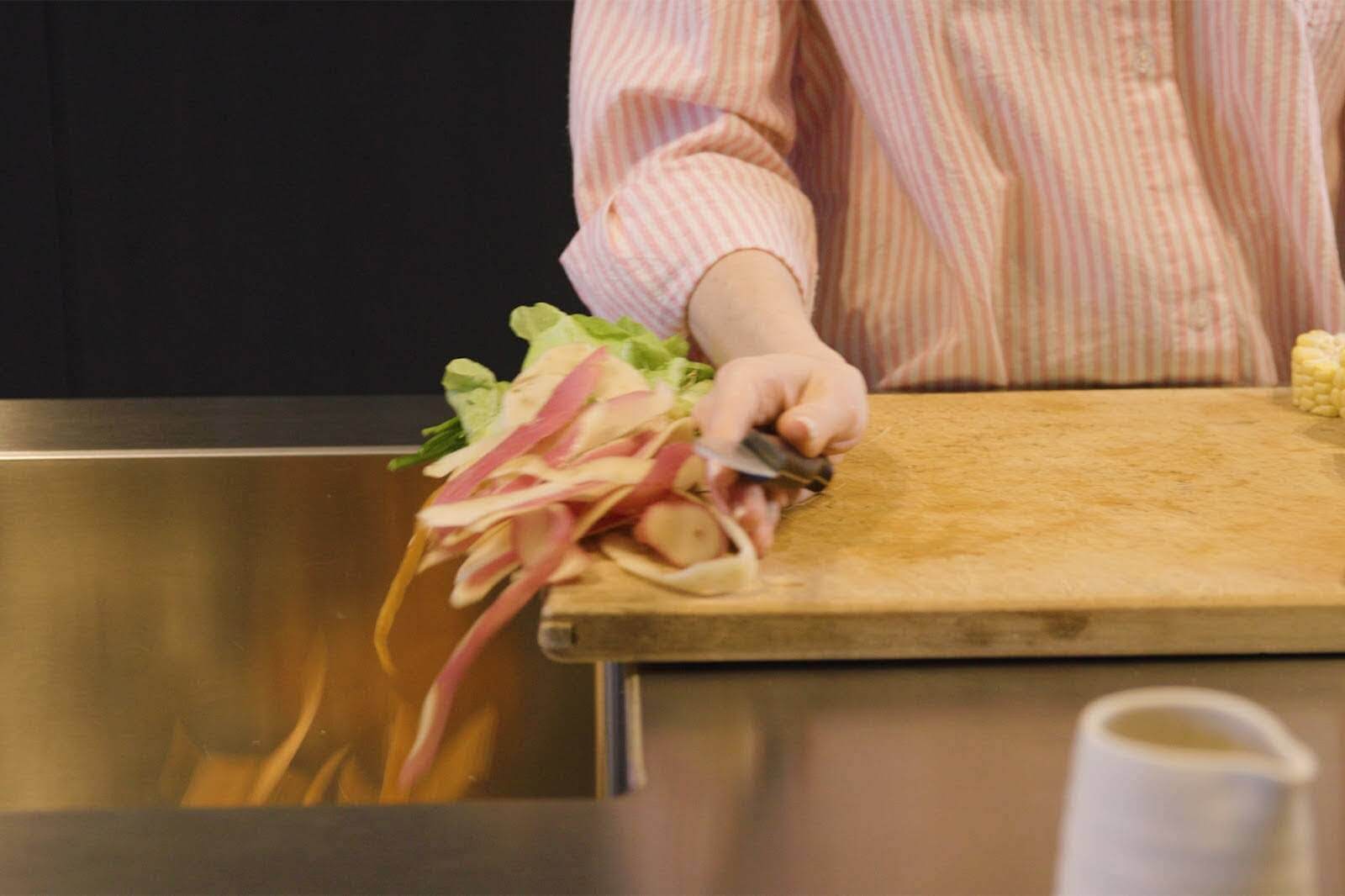
The modern Australian kitchen is evolving. It is no longer just a place to cook and gather but a space that reflects how we live and the values we share. More homeowners are now looking for ways to make their kitchens cleaner, smarter and more sustainable – not just for convenience, but for the planet too.
An eco-friendly kitchen is built on simple ideas that last. It is about choosing durable materials, reducing waste, avoiding unnecessary plastics and designing spaces that make good habits easier to maintain. With a few practical changes, you can make your kitchen both stylish and environmentally responsible.
Rethink how you manage waste
One of the biggest challenges in creating a sustainable kitchen is what happens after the meal. Food scraps often end up in landfill, where they release harmful methane gas. The Enviro-Green Waste Machine offers a cleaner, smarter way to manage organic waste at home.
Fitted neatly beneath the sink, this compact system recycles food scraps into renewable energy and fertiliser, helping to reduce greenhouse emissions and landfill. It keeps the kitchen free of odours and eliminates the need for messy countertop bins or plastic bags. Tested by Deakin University and supported by local government rebate programs, it is a practical step toward a greener household.
Choose materials that go the distance
Sustainability starts with quality. Investing in long-lasting fittings reduces waste and means fewer replacements over time. Stainless steel sinks, solid brass tapware and stone or composite benchtops all stand up to years of daily use while maintaining their look and function.
Abey’s range of kitchen sinks and fixtures is designed with longevity in mind. A well-chosen product not only improves performance but ensures your kitchen continues to feel timeless, even as styles change.
Design with purpose
Good design is sustainable by nature. Layouts that maximise natural light and airflow reduce the need for artificial lighting and cooling. Using neutral colour palettes and durable finishes ensures your kitchen will look good for longer, without the need for frequent updates.
Add thoughtful storage solutions to keep your kitchen organised and clutter-free. Small changes like separating recycling under the bench or using reusable containers for dry goods can make a surprising difference over time.
A cleaner future starts at home
Building a sustainable kitchen is not about perfection. It is about small, considered choices that add up to real change. The Enviro-Green Waste Machine is one example of how innovation can make everyday life more environmentally friendly. Pair it with durable materials and timeless design, and you have a kitchen that works better for both you and the planet.
To explore more sustainable kitchen ideas, visit an Abey showroom or book a consultation to see the latest products designed to reduce waste and support a greener future.