The evolving kitchen triangle in modern home design
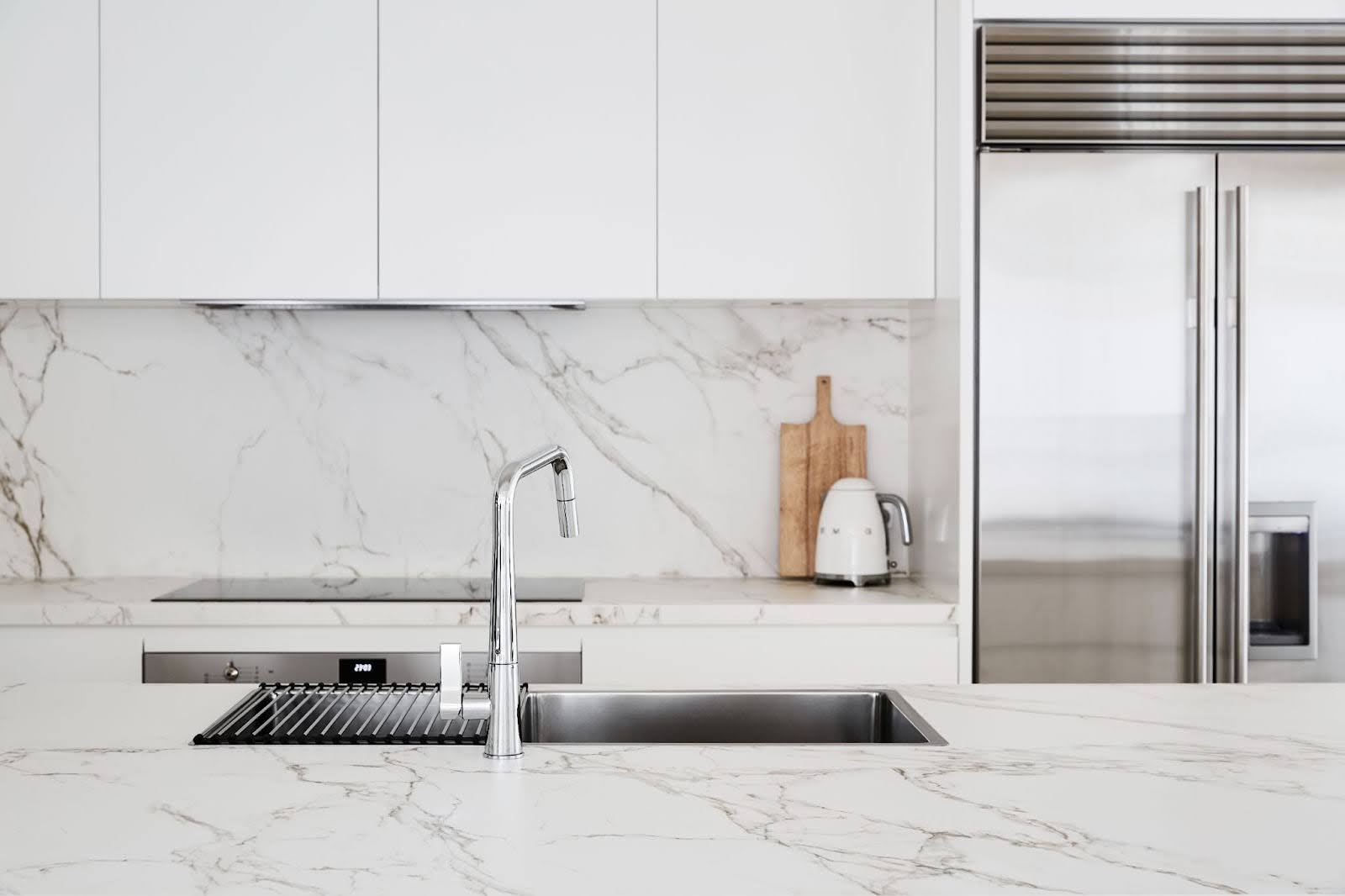
For decades, the kitchen triangle shaped almost every kitchen layout. The idea was simple: position the cooktop, sink and fridge in a triangle to create a smooth workflow. It worked well for traditional homes, but the way Australians live, cook and connect today has changed. Kitchens are now gathering spaces, social spaces and sometimes even workspaces.
As a result, the classic kitchen triangle has evolved into something more flexible, more intuitive and far better suited to modern life.
From triangle to multi zone design
Modern kitchens often support several activities at once. Instead of one person moving through the triangle, families now cook together, entertain, prepare meals and clean in overlapping zones. Designers have adapted by breaking kitchens into clearly defined areas.
Common zones include:
-
- Food preparation
- Cooking
- Cleaning
- Pantry and dry storage
- Everyday appliance storage
- Social and serving space around the island
This approach allows multiple people to move through the kitchen without getting in each other’s way.
Islands as modern work hubs
The kitchen island has become the centre of many Australian homes. It supports food prep, dining, socialising and even work or study. Many modern layouts position appliances or secondary sinks around the island to improve flow.
Islands also allow the kitchen to feel connected to living and dining spaces, creating an open, welcoming atmosphere.
Layouts based on lifestyle, not rules
The kitchen triangle still helps designers think about efficiency, but it is no longer a strict formula. Today, the layout adapts to how people use their home. For busy households, a wide walkway between zones prevents bottlenecks. For entertainers, the cooktop may face the island so conversation flows easily.
Small changes like repositioning appliances, adding a prep sink or widening bench space can make the kitchen feel more intuitive.
Materials that elevate functionality
Premium materials help unify these flexible spaces. Stainless steel sinks, integrated appliances and refined tapware create a clean and cohesive aesthetic.
These elements help the kitchen feel sophisticated while supporting everyday usability.
Technology that improves flow
Quiet dishwashers, hidden rangehoods, soft close cabinetry and efficient storage systems are now standard expectations. They help reduce noise and clutter, making the kitchen feel calmer and more enjoyable to spend time in.
Modern design is shaped by convenience as much as by aesthetics.
Redefining tradition for modern living
The kitchen triangle will always influence good design, but today’s homes need flexibility, comfort and connection. The modern kitchen is a place for creativity, conversation and daily rituals, and its layout should support all of these moments effortlessly.
With thoughtful planning and high quality fixtures, Abey helps homeowners build kitchens that feel both beautifully designed and perfectly suited to the way Australians live today.