Designing a Functional and Beautiful Laundry Space
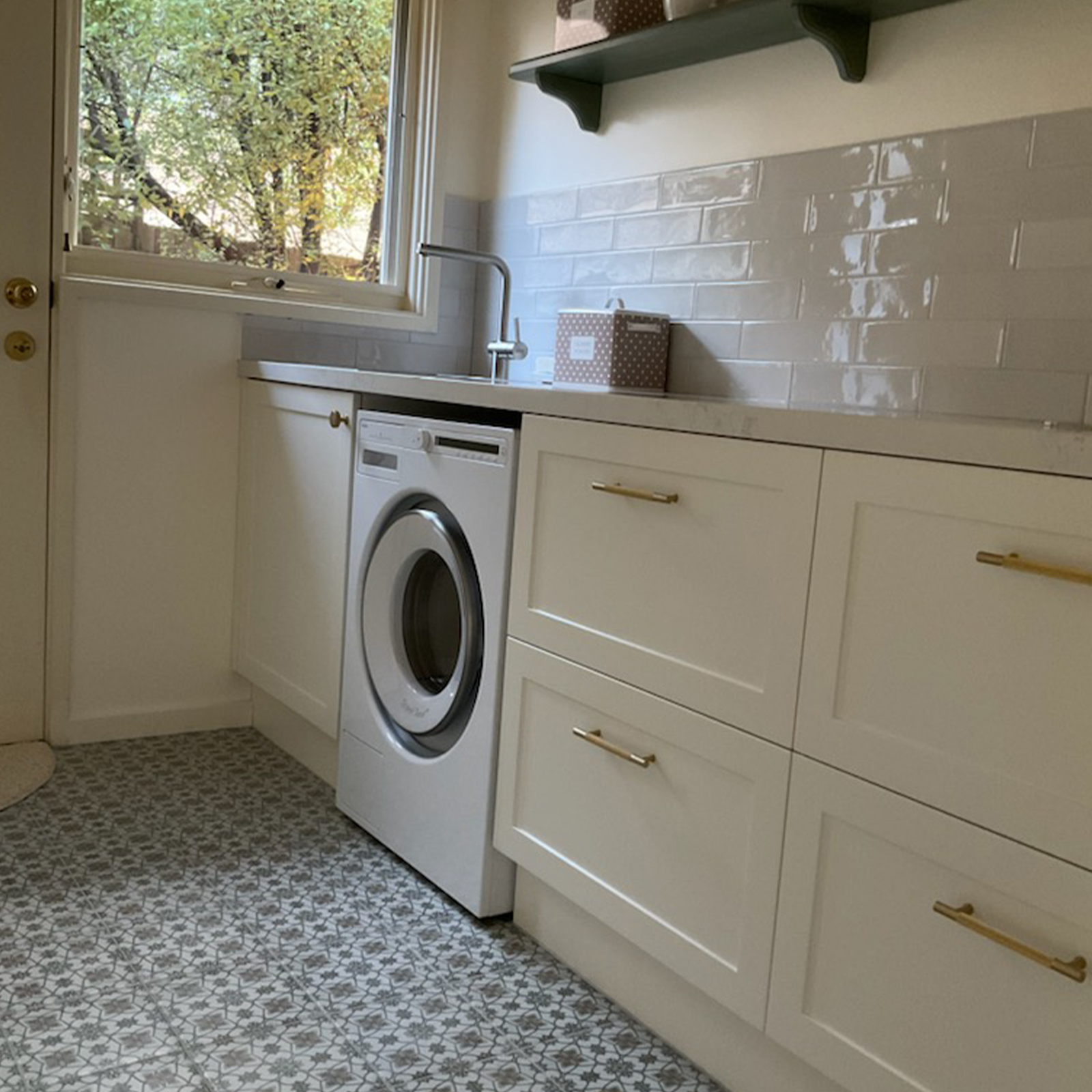
Designing a Functional and Beautiful Laundry Space
The laundry is one of the most frequently used rooms in the home, yet it is consistently underdesigned. It handles daily cleaning tasks, houses appliances, supports soaking and hand washing, and often doubles as utility storage, yet most laundry designs address function at the expense of everything else.
A well-considered laundry doesn’t require a large footprint. It requires thoughtful decisions around layout, sink selection, tapware and materials. Abey’s laundry range covers the fixtures and accessories needed to approach this properly.
Plan around how the space is actually used
The most common laundry design error is planning around what fits rather than around how the room is used. Washing machine and dryer placement should support a logical sequence: loading, transferring and unloading in proximity. The sink should serve soaking and utility tasks without blocking appliance access or reducing usable bench space.
Consider bench height, depth and material too. A bench that doubles as a folding surface needs to be at a comfortable working height and made from material that can sustain moisture and cleaning products without degrading over time.
For a practical overview of layout approaches, Abey’s guide to designing and organising the ultimate laundry covers zoning and workflow considerations that are far easier to address in the planning phase than to correct afterward.
Choosing the right laundry sink
The laundry sink works harder than almost any other sink in the home, handling soaking, hand washing, pet cleaning and general utility tasks that can’t happen in the kitchen. Depth is the most critical factor: a deeper bowl accommodates large items that would otherwise be unmanageable.
The Lodden provides generous capacity for busy laundries, while the Double Leichardt suits households that need to separate soaking from general utility use. For high-capacity single bowl requirements, the LT120 45 Litre Single Bowl delivers substantial volume in a format designed for demanding utility use.
For guidance on how materials hold up under laundry conditions, Abey’s guide to choosing the best material for a laundry sink covers the trade-offs between stainless steel, fireclay and other options. The Chambord Clotaire for the laundry is worth exploring for those who want the room to feel as considered as the rest of the home.
Tapware that performs under utility conditions
Laundry tapware must withstand cleaning products, temperature variation and the kind of frequent, practical use that comes with a high-turnover utility room.
The Lucia Gooseneck Laundry Spout provides the clearance and reach a laundry sink requires, while the Lucia SK5-2 Pull Out Spray Mixer adds spray functionality suited to rinsing large items. Abey’s guide to finish types for the laundry covers which finishes perform best under utility conditions and how to extend a consistent direction from the kitchen and bathroom into this space.
Storage and layout
Overhead cabinetry above the washing machine and dryer uses space that would otherwise be wasted. Dedicated storage for laundry products and cleaning supplies keeps the bench clear and the space organised through daily use.
For smaller laundries where every decision has more impact, Abey’s guide to six big ideas for small laundry spaces explores how layout and product selection can make a compact room significantly more functional.
Materials that hold up and still look considered
Laundry surfaces need to perform under more demanding conditions than other rooms. Moisture, cleaning products and heat from appliances mean that durability directly affects how long the space remains functional.
Splashbacks behind the sink provide moisture protection and easy cleaning. Slip-resistant waterproof flooring performs reliably in a wet-area environment. When materials are selected with both performance and visual coherence in mind, the laundry becomes a considered part of the home rather than a room you simply endure.