The benefits of investing in high quality kitchen sinks
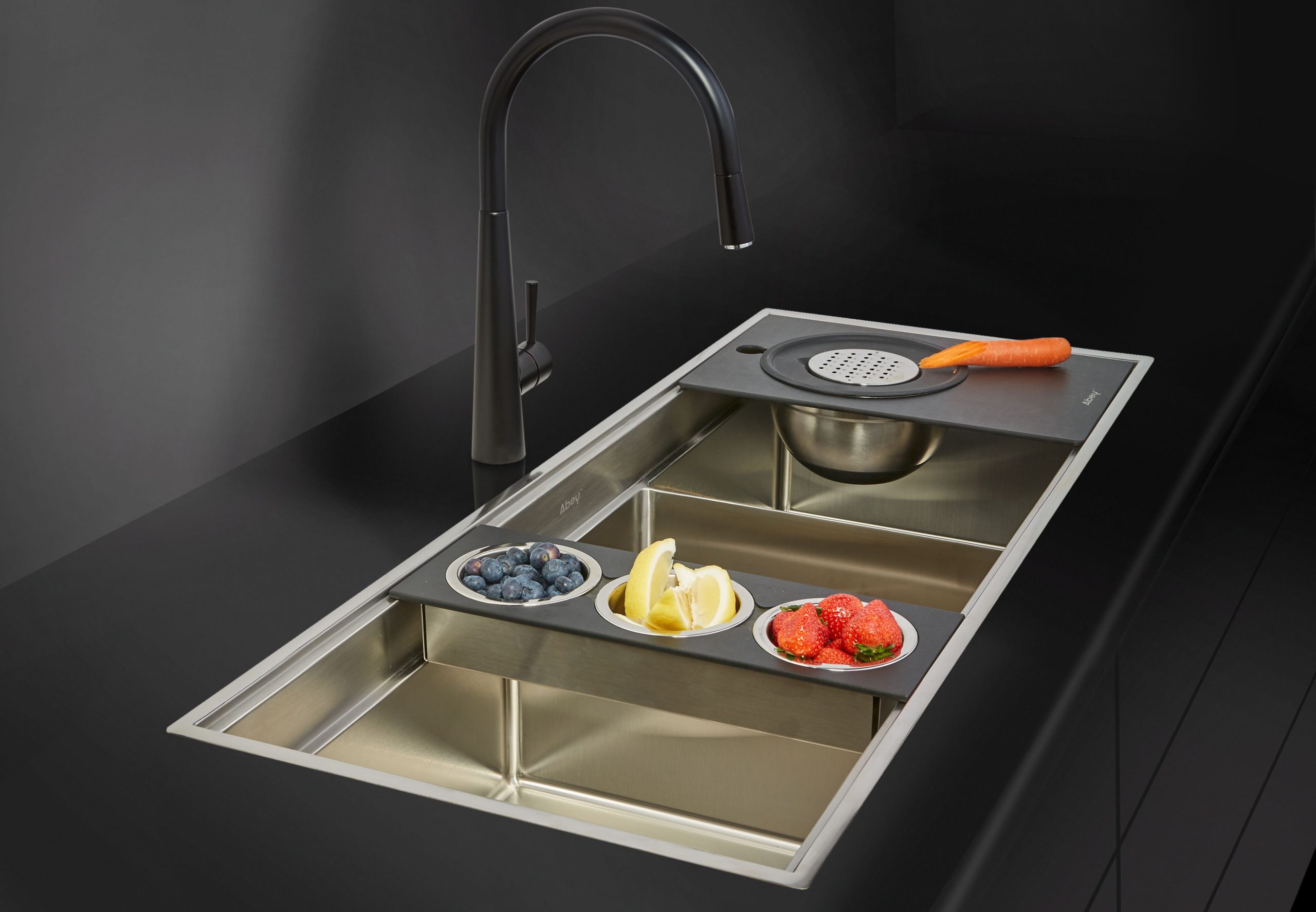
The sink is one of the few fixtures in a kitchen that is used every single day, by everyone in the household, for tasks that range from delicate to genuinely demanding. Yet it is also one of the fixtures most often chosen on price alone, treated as a functional necessity rather than an investment worth real consideration.
A high quality sink costs more upfront, but the case for it is not really about price. It is about how much use a sink absorbs relative to almost anything else in the kitchen, and how that use compounds over the years you own the home.
Frequency of use justifies the spend
Cabinetry is touched occasionally, splashback tile is barely touched at all, but the sink is used dozens of times a day for washing, food prep, filling and rinsing. Divide the cost of any fixture by how often it is genuinely used, and the sink almost always comes out as the best value line item in the whole renovation, even at a premium price point. It is worth reviewing Abey’s range of kitchen sinks in full before you set a budget line.
A well-built single bowl such as the Alfresco Single Bowl Sink with Drain Tray earns its cost back in daily performance rather than sitting as a decorative fixture that is admired occasionally and used rarely by comparison.
Run the numbers over the life of the kitchen rather than at the moment you choose the fixture. A sink used fifty times a week for fifteen years represents an enormous number of individual moments of use, each one slightly better or slightly worse depending on the fixture chosen.
This is the reframe worth making before you compare quotes: a sink is not one line item among many. It is closer to the most-used piece of equipment in the home. Abey’s guide to stainless steel versus granite sinks is a useful starting point for the material decision.
Durability protects the rest of the kitchen
A poor quality sink does not fail in isolation. It puts the surrounding benchtop, cabinetry and splashback at risk through water damage, staining and wear at the joins where the sink meets the bench. A well-cast, properly sealed sink protects everything around it, which is a benefit that rarely gets counted when comparing prices side by side.
This protective effect is easy to overlook because it shows up as an absence rather than a feature you can point to: no swelling at the benchtop edge and no staining on the cabinetry below.
Factoring in this protective effect changes the calculation considerably, since the cost of repairing a water-damaged benchtop is far higher than the price difference between a budget and a premium sink.
- A tight, properly sealed cutout prevents water ingress to the benchtop core
- Resistance to staining prevents marks migrating onto adjacent surfaces
- A durable finish avoids chips that can catch and tear tea towels or hands
- Consistent depth reduces splash onto benchtop and splashback
Material quality determines the daily experience
Fireclay sinks such as the Chambord Constance Large Bowl Fireclay White demonstrate what higher-grade materials contribute beyond appearance: resistance to scratching, staining and thermal shock from hot pans, alongside a glaze depth that budget alternatives in the same shape cannot replicate.
For households wanting a second prep or bar sink, a compact stainless option like the BS1 Bar Sink Stainless Steel shows that quality does not require a large footprint. The same material and construction standards apply regardless of the sink’s size or role in the kitchen.
This is easiest to notice in the small, repeated moments: how a hot pan set down in the bowl is handled, how quickly a red wine stain lifts, how the surface still looks after a decade of daily washing up.
The material decision is where the gap between a budget and a premium sink is most visible day to day, since it is the surface your hands and cookware meet every single time the sink is used.
A quality sink extends the life of your tapware too
The sink and tap are used together, which means a poorly proportioned or cheaply cast sink can undermine even well-chosen tapware. A mixer like the Lucia Side Lever Sink Mixer performs best when the bowl beneath it is deep enough and well enough proportioned to make full use of its reach and spray function.
Splash and misdirected water, common with shallow or poorly designed bowls, accelerate wear on tapware finishes and increase the maintenance burden on the surrounding benchtop over time. A quality sink is partly an investment in protecting the tapware chosen alongside it.
This relationship works in both directions. A premium tap paired with an undersized or poorly cast sink will never perform to its potential, which is worth remembering if the budget conversation drifts toward saving on the sink to spend more on the tap.
Considering sink and tap as a paired investment, rather than two separate line items on a quote, gives a more accurate picture of what you are actually paying for across the whole fixture.
Resale and renovation value hold up
Buyers and renovators alike can tell the difference between a considered kitchen and one assembled to a minimum standard, and the sink is one of the fixtures most likely to be inspected closely during a walkthrough. A quality sink signals the same care was likely applied to decisions less visible on a quick inspection.
This matters even if you are not planning to sell soon. A kitchen that has aged well because the highest-use fixture was chosen properly retains more of its original appeal than one where every component was chosen at the minimum acceptable standard.
It also reduces the temptation to fully re-renovate a kitchen sooner than necessary. A sink and tapware combination still performing well after a decade means the rest of the room can be refreshed selectively, rather than gutted and started again.
The return on a quality sink is realised gradually, through years of reliable daily use, and then again in a single moment, if and when the home is eventually sold. Abey’s guide to choosing a kitchen sink based on household size and usage covers bowl choice in more depth.
Where a renovation budget is well spent
Every kitchen renovation involves trade-offs, and there are fixtures where a mid-range choice is a reasonable compromise. The sink is rarely one of them, given how much daily use it absorbs and how directly its quality affects everything installed around it.
Treat the sink as one of the few fixtures worth stretching the budget for, and the benefit shows up in the way the kitchen holds up, not just in the first year but in every year of heavy daily use that follows.
To compare sink materials and bowl sizes in person, visit an Abey showroom in Melbourne, Sydney, Brisbane or Perth, or find a stockist near you.